


Caves across Kenya face growing threats — from urban expansion and mining to fear-driven vandalism.

ILLUMINATING HEALTH, FOOD SECURITY, AND ENVIRONMENTAL SIGNIFICANCE OF CAVES IN KENYA
ILLUMINATING HEALTH, FOOD SECURITY, AND ENVIRONMENTAL SIGNIFICANCE OF CAVES IN KENYA
 Coral or Limestone CavesLarva tube Caves Rock shelter cavesLimestone/Coral CavesLava Tube CavesRock Shelter CavesTypes Of Caves in KenyaLimestone/Coral CavesRock Shelter CavesTypes of Caves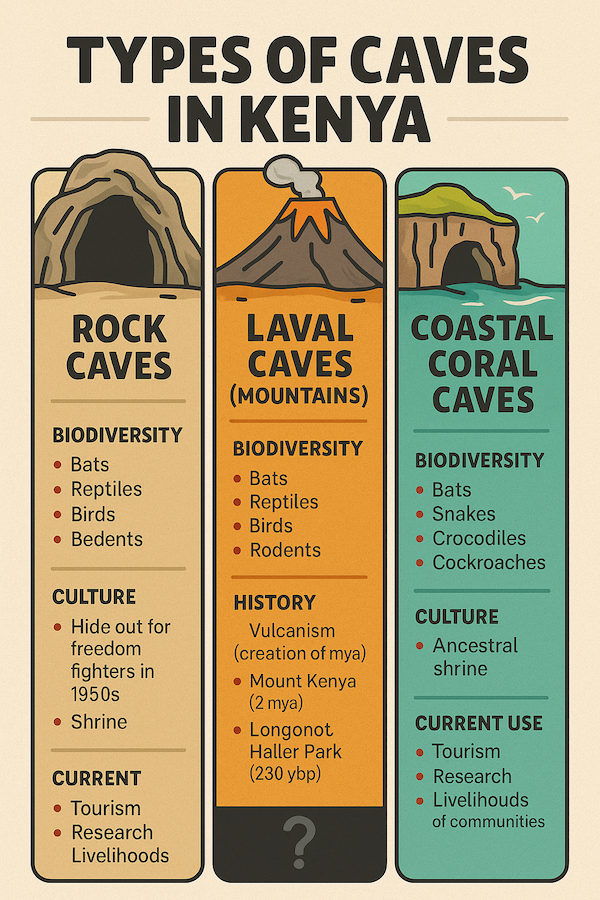
 About BACABIS
The Bat Cave Biodiversity Information System (BACABIS) is Kenya’s one-stop platform for everything cave-related — a living digital archive capturing the ecological, cultural, historical, and economic significance of caves across the country.
Through BACABIS, we capture, consolidate, curate, and share knowledge on:
• Cave-dwelling species, including rare bats and endemic biodiversity
• Threats facing these fragile ecosystems
• Cultural and historical roles of caves in Kenyan heritage
• Conservation efforts driven by science, community, and policy

✅ Protection – Recognizing caves as national and community heritage
✅ Sustainable Use – Promoting responsible interaction with cave environments
✅ Tourism Appreciation – Highlighting caves as destinations for eco-tourism and education
✅ Research – Powering knowledge for conservation and policy-making
• National Museums of Kenya (Lead institution)
• Wildlife Research and Training Institute (WRTI) (Implementation partner)
• JRS Biodiversity Foundation (Funding partner)
Learn more: JRS Biodiversity Foundation – NMK Grant
Contact: bagwanda@museums.or.ke | vobanda@wrti.go.ke

 Caves
Caves Caves are natural subterranean voids large enough for human access, and accommodating cave adapted organisms. Based on the origin and formation, there are three major types of caves in Kenya and indeed most parts of the World:
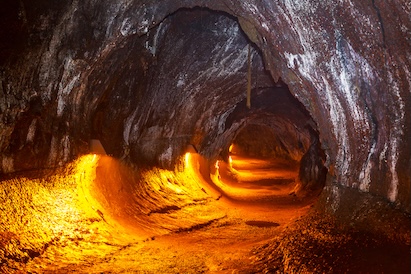
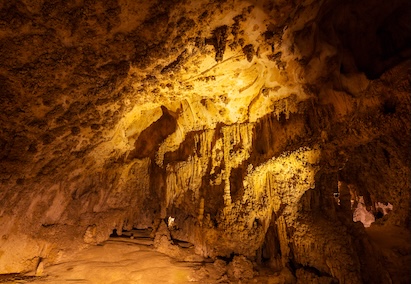
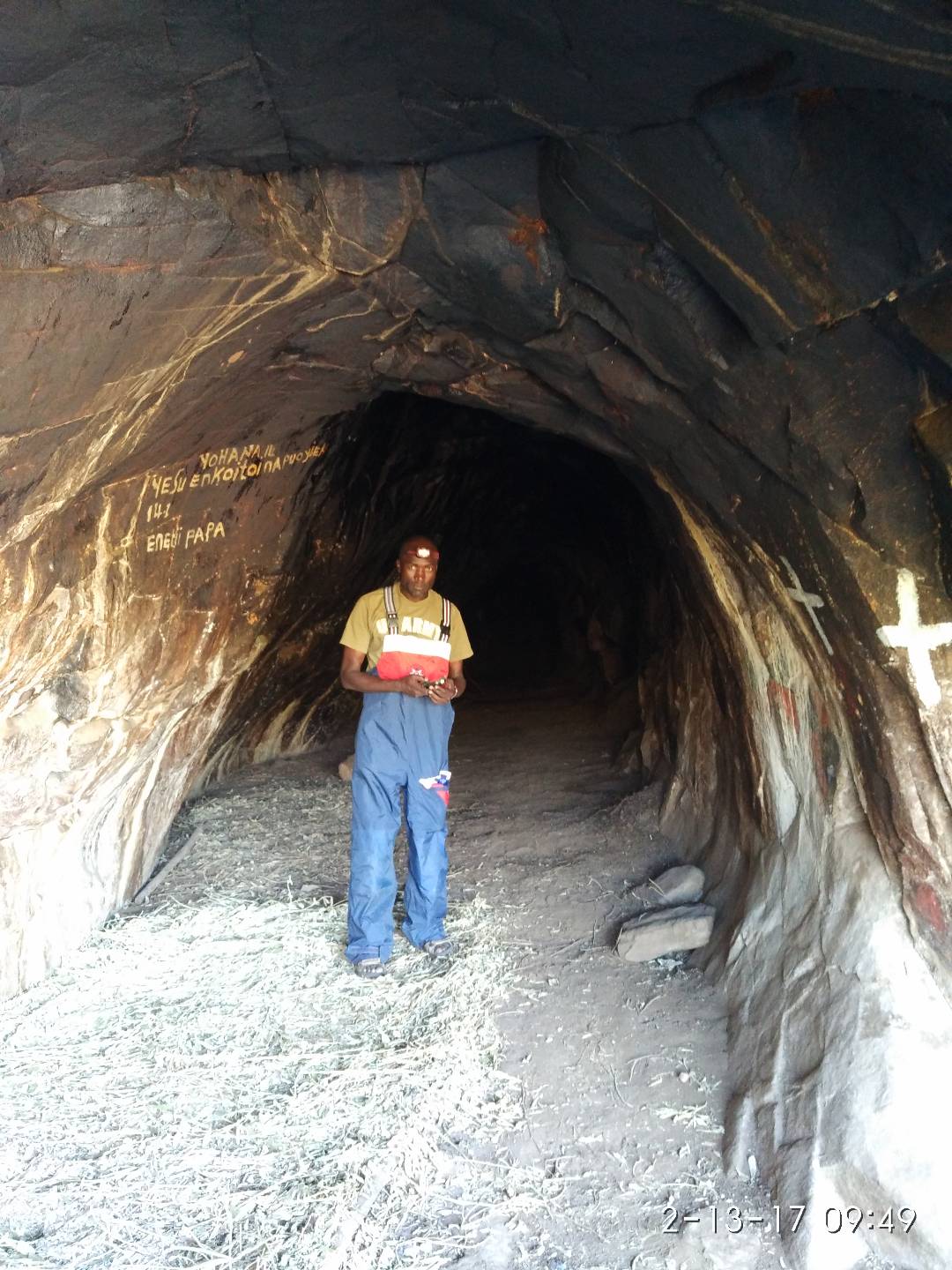
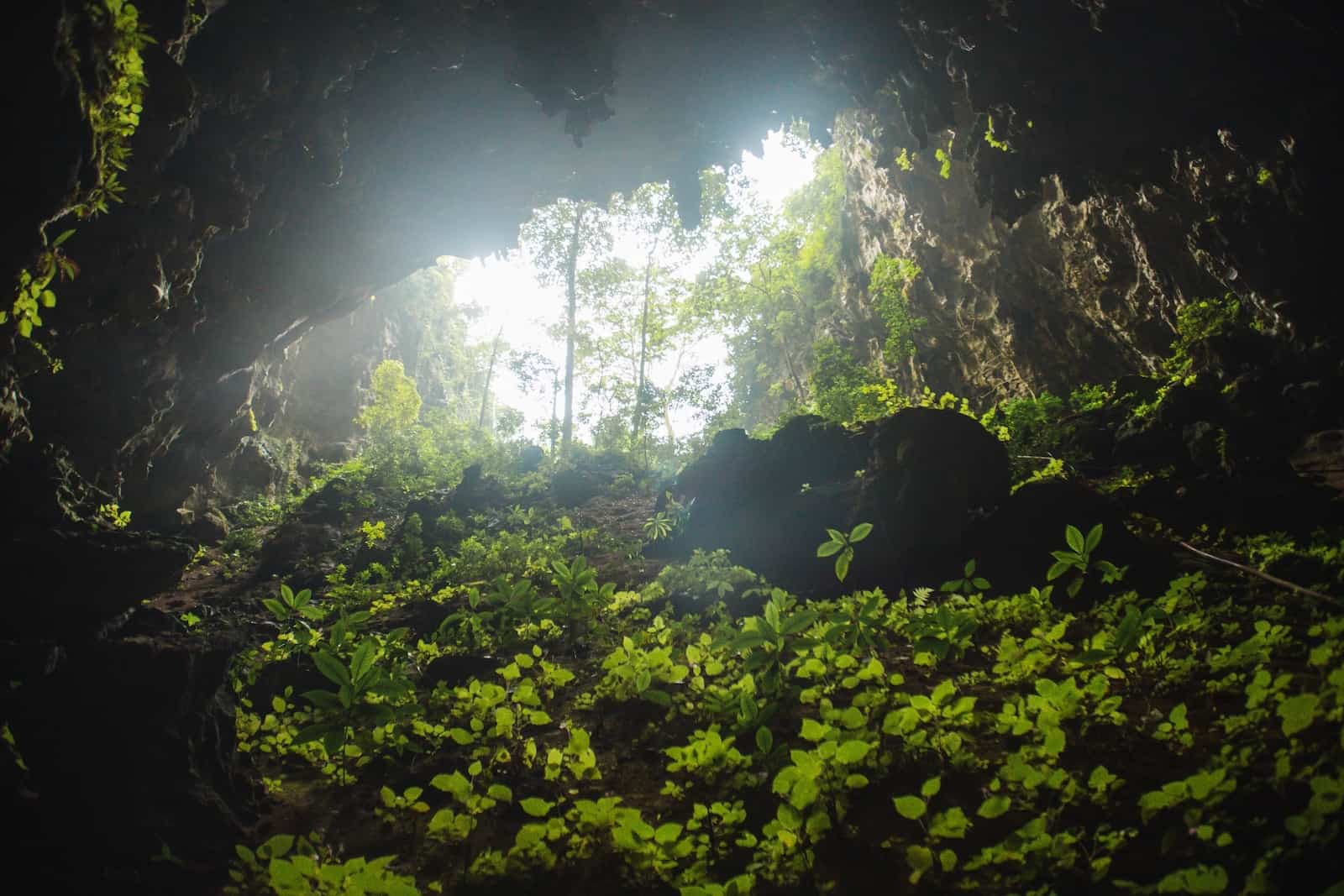
Kenya’s landscape hides a network of mysterious and diverse caves — natural subterranean spaces large enough for human access, each with unique stories, ecosystems, and cultural significance. They are found in every corner of the country, from the coastal limestone formations to the lava tube caves on volcanic mountains, and the rock shelters scattered across valleys, hills, and lake shores.

These type of caves are typically found in coastal region



Mainly found on extinct or dormant volcanic mountains

mostly widespread but prevalent on rocky hills, valleys and lake shores
 Why Caves
Caves may seem like small, hidden spaces — but their impact is enormous. Globally, and especially in Kenya, caves are now recognized as ecological powerhouses with roles far beyond their size.
These subterranean ecosystems harbor unique and often undiscovered species, from rare insects to large bat colonies. While conservation plans have been developed for forests, wetlands, and grasslands, caves remain neglected and unprotected — despite being just as vital.
In Kenya’s Suswa cave, a completely new species of moth (Tinea suswaensis) was recently discovered near bat guano. Meanwhile, bat colonies continue to provide critical ecosystem services by:
• Pollinating plants and dispersing seeds, sustaining forests and food systems
• Controlling insect pests and disease vectors, supporting both agriculture and public health
Yet, these vital habitats are poorly studied and under threat. Without research and protection, we risk losing species — and the benefits they bring — before they’re even discovered.
Impact
Conserve


Caves Documented

Threatened Caves Identified

Bat Species Identified

Bat Population Count
 Biodiversity
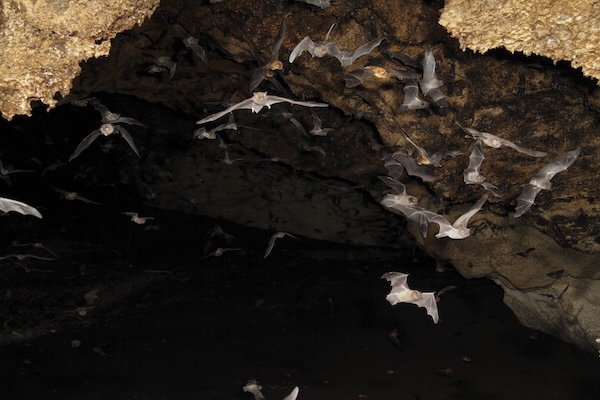
Bats are not just cave dwellers — they are the lifeline of cave ecosystems and beyond.
• Keystone Species – Cave bats play a central role in maintaining ecological balance. They roost, breed, and raise their young in the safety of dark cave chambers — often in colonies numbering in the thousands.
• Nightly Ecosystem Engineers – Each evening, bats fly out of the caves and travel long distances to feed on fruits, flowers, and insects, unknowingly shaping entire landscapes.
• Fruit bats pollinate plants and disperse seeds, helping regenerate forests and maintain plant diversity.
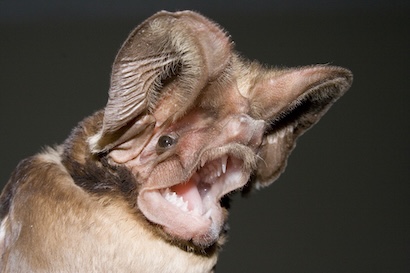
• Insectivorous bats feed on crop pests and disease-carrying insects, supporting both agriculture and public health.
• Quantifiable Benefits – Their ecological services reduce the need for pesticides, increase crop yields, and cut health risks — generating measurable economic and health benefits for communities.
When bats thrive, ecosystems flourish0.
The BACABIS database documents: • Bat species found in Kenya’s caves • Their roles in supporting food systems, health, and biodiversity • Monitoring data for policy, conservation, and scientific decision-making
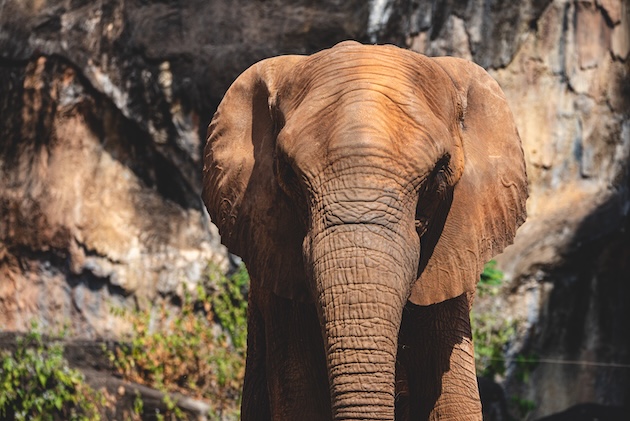
Biodiversity In East African region, Kenya holds key evidence on the importance of caves in hosting endemic species. A rockshelter cave on Ukazi hills near Mwingi is the only known home for the World’s rarest African flightless 'terrible hairy fly' Mormontomyia hirsuta. According to Major Austen 1936, the author who first discovered and described this insect, this fly in its on family, genus which are all endemic to Africa. Furthermore, the species is believed to be endemic to Ukazi and dependent on bat guano for breeding and feeding. This seems to suggest that without the bats, this special heritage will go extinct. More recently, David et al (2020), reported a new species of moth: Tinea suswaensis. was discovered in Rift Valley, Suswa larva tube cave, on the cave wall near bat guano deposit. Large sets of samples collected in this study from coastal and other larval tube caves are currently undergoing scrutiny to provide further biodiversity insights within these caves. Preliminary findings, however have documented, including a provisional list of 23 bats species, 2 lizards, 3 snakes, 5 spiders, 4 cockroaches among many more. In some caves, a notorious population of large mammals we also documented and considered as cave visitors(Leopard, Buffaloes, elephant, giant poached rat, baboons, rock hyrax).


 Working Process
Identify caves and assess ecological, cultural, and historical significance.

Collect data on bats, biodiversity, cave features, and threats.Upload, curate, and visualize data in the BACABIS platform.

Support decision-makers, researchers, and communities with data for conservation.
Conservation In light of the ecological, historical, cultural importance and the attending economic and public health significance of cave-bats in Kenya, conservation of these spaces is crucial. This conservation journey has to begin and end with local communities who use the caves as spiritual spaces, whose farms are protected by cave bats, and whose health are cared for by vector-eating bats. The work of NMK and partners is to provide scientific advice and evidence to catalyze legal framework for formal protection by locals and national government. This database provide foundation for all conservation actions needed for every cave.
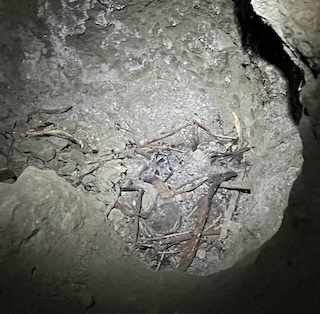
Caves across Kenya face growing threats — from urban expansion and mining to fear-driven vandalism.
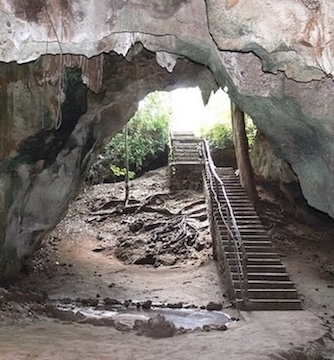
For centuries, caves have preserved Kenya’s cultural memory — from prehistoric art to colonial resistance.
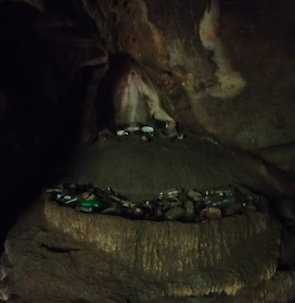
Many of Kenya’s caves are living cultural landmarks, preserving artifacts, stories, and spiritual practices.
Our Partners
Lead Institution

Funding Partner

Implimentation Partner
Our Team
National Museums Of Kenya

Wildlife Research Training Institute

National Museums of kenya
National Museums of kenya